
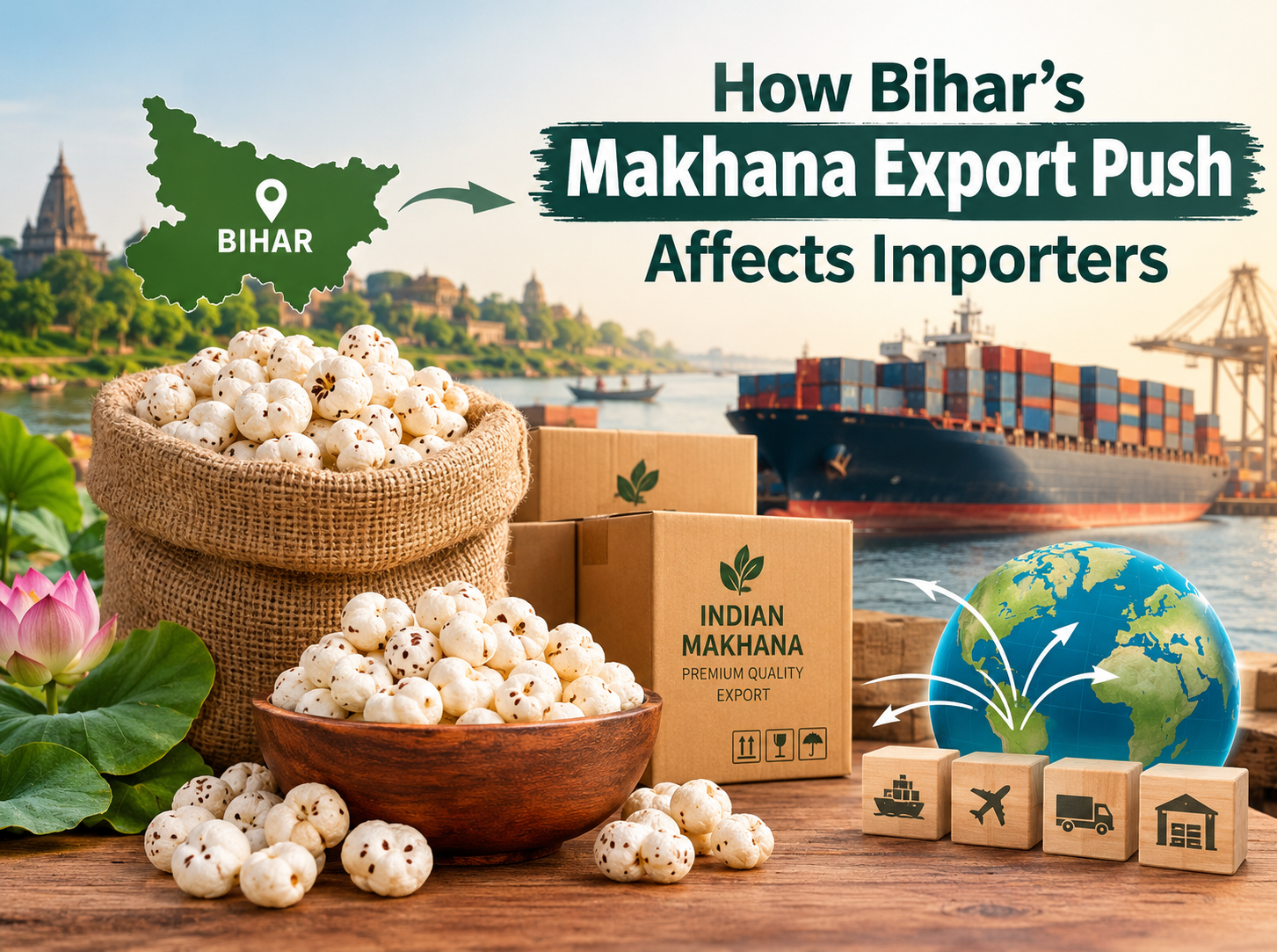
Makhana Export from Bihar is becoming an important topic for international buyers who want to source this traditional Indian snack. As Bihar strengthens its position in makhana production and explores more export opportunities, importers are paying closer attention to product quality, reliable suppliers, pricing, and the availability of bulk orders. These developments can create new opportunities while also requiring buyers to make smarter sourcing decisions.
Makhana, also known as fox nuts or popped lotus seeds, is used in snacks, health-focused food products, and various culinary preparations. For importers, understanding changes in Bihar's makhana industry can help them identify suitable suppliers and plan their purchasing strategies more effectively.
Why Bihar Is Important in the Makhana Export Market
Bihar is widely known for makhana cultivation and processing, particularly in the Mithilanchal region. Its established farming traditions and local processing activities make the state an important source for domestic and international buyers.
As businesses explore new export markets, several factors can influence sourcing opportunities:
- Local expertise: Experienced growers and processors understand traditional harvesting and processing methods.
- Product variety: Buyers may find different sizes, grades, and product formats depending on supplier capabilities.
- Processing opportunities: Some suppliers can support cleaning, grading, roasting, and packaging requirements.
- Growing business connections: Export-focused businesses may help importers establish more direct relationships with Indian suppliers.
However, export opportunities depend on individual suppliers, production capacity, quality standards, and the requirements of each destination country.
How Makhana Export from Bihar Affects International Importers
The expansion of export-focused activities can affect importers in several practical ways.
1. More Sourcing Opportunities
As more businesses explore international trade, importers may have additional suppliers to evaluate. This can make it easier to compare product grades, order quantities, packaging options, and commercial terms.
However, buyers should not assume every supplier can fulfil large orders. Checking production capacity, sample quality, and delivery commitments remains essential.
2. Greater Attention to Product Quality
International buyers often need consistent quality across shipments. Differences in size, moisture levels, cleanliness, breakage, and packaging can affect how a product performs during storage and retail distribution.
Before placing a large order, importers should:
- Request representative product samples.
- Confirm grading and quality specifications in writing.
- Check packaging suitability for the planned shipping conditions.
- Agree on inspection procedures and acceptable defect levels.
These steps help reduce misunderstandings between buyers and suppliers.
3. Potential Changes in Pricing and Competition
As export activity develops, pricing may be influenced by raw material availability, processing costs, packaging, freight, exchange rates, and buyer demand.
Importers should compare the total landed cost, not just the quoted product price. Freight, insurance, customs duties, taxes, inspection fees, and other applicable charges can affect the final cost of importing makhana.
A lower supplier quote does not always mean a more profitable purchase.
What Importers Should Know Before Buying Bulk Makhana Export Orders
Bulk purchasing can help importers maintain stock and serve distributors, retailers, or food businesses. However, larger orders also increase the financial risk if the product does not meet expectations.
When evaluating a Bulk Makhana Export opportunity, consider these important points:
- Minimum order quantity: Confirm the minimum and maximum quantities the supplier can handle.
- Quality consistency: Ask whether the same grade and specifications can be maintained across repeat orders.
- Packaging requirements: Choose packaging that suits your storage conditions, transport duration, and target market.
- Lead times: Confirm production, processing, dispatch, and estimated transit times.
- Payment terms: Agree on payment milestones and the documents required before shipment.
- Export documentation: Clarify responsibility for invoices, packing lists, certificates, and other documents required by the destination country.
A clear purchase agreement can help both parties understand their responsibilities before the goods leave India.
Choosing Reliable Indian Makhana Suppliers
Finding suitable Indian Makhana Suppliers is one of the most important steps for importers entering this category. a makhana manufacturer in India supplier should be evaluated on more than price or product photographs.
Look for businesses that can explain their sourcing process, share samples, provide clear product specifications, and communicate consistently.
Before finalising a supplier, ask:
- Can you provide samples from the grade intended for my order?
- What quality checks do you perform before dispatch?
- Can you accommodate my required order quantity and packaging?
- What export documents can you provide?
- How do you handle damaged goods, quality disputes, or delayed shipments?
When sourcing quality products from India, choosing a reliable makhana exporter can help importers find suitable product grades, packaging options, and dependable supply arrangements.
Understanding Packaging and Market Requirements
Different countries and sales channels may have different expectations for imported food products. Retail-ready makhana, bulk ingredients for food manufacturers, and products intended for private-label brands may require different packaging arrangements.
For example, a distributor selling makhana through supermarkets may need branded retail packs with appropriate ingredient information, net weight, batch details, and locally required labelling. A food manufacturer purchasing bulk quantities may prioritise protective packaging, consistent grading, and storage performance.
Importers should confirm applicable food safety rules, labelling requirements, shelf-life expectations, and customs procedures before confirming an order. They should not rely solely on a supplier's general assurance that a product is suitable for every international market.
How Importers Can Prepare for Future Export Opportunities
As the Bihar Makhana Export sector develops, buyers can prepare by building supplier relationships before committing to substantial orders.
Here are four practical steps:
- Research your target market: Understand customer preferences, competing products, pricing, and local import requirements.
- Start with a sample order: Evaluate quality, packaging, and product suitability before scaling up.
- Compare multiple suppliers: Assess quality, communication, capacity, and total landed cost together.
- Plan repeat purchases: Discuss expected demand and production lead times to reduce the risk of running out of stock.
Importers should also monitor changes in freight costs, exchange rates, and sourcing conditions because these can influence margins even when supplier prices remain unchanged.
How Hybitefoods Can Fit into an Importer's Sourcing Research
Importers exploring the Indian makhana industry explore makhana flavours can use businesses such as hybitefoods as a starting point for evaluating sourcing and product options. Before entering a commercial arrangement, buyers should directly confirm available grades, order volumes, packaging choices, export capabilities, and delivery terms.
The most suitable supplier is one whose capabilities match the importer's target market and business requirements. Clear communication and documented specifications can help establish a stronger long-term trading relationship.
Conclusion
Makhana Export from Bihar may create new sourcing opportunities for international buyers, but successful importing requires more than finding an attractive price. Product quality, reliable supply, packaging, documentation, and total landed cost all influence the final outcome.
By carefully assessing Indian Makhana Suppliers, checking samples, and understanding destination-market requirements, importers can make better purchasing decisions. As the Makhana Export Market develops, informed sourcing and strong supplier relationships can help businesses approach new opportunities with greater confidence.
Frequently Asked Questions
1. Why is Bihar important for makhana exports?
Bihar has an established makhana cultivation and processing industry. Its local expertise and supply network make it an important sourcing region for domestic buyers and international importers.
2. How does Makhana Export from Bihar benefit importers?
It may offer importers more sourcing options, opportunities to compare suppliers, and access to different product grades and packaging formats. Actual benefits depend on supplier capabilities and market conditions.
3. How can importers find reliable Indian Makhana Suppliers?
Importers should request samples, verify business credentials, review product specifications, confirm production capacity, and discuss export documentation before placing large orders.
4. What should buyers check before placing a Bulk Makhana Export order?
Buyers should check product quality, moisture levels, grading, packaging, minimum order quantities, delivery schedules, payment terms, and the total landed cost.
5. What factors influence the Makhana Export Market?
The market can be influenced by production availability, international demand, processing costs, freight charges, currency movements, import regulations, and competition among suppliers.