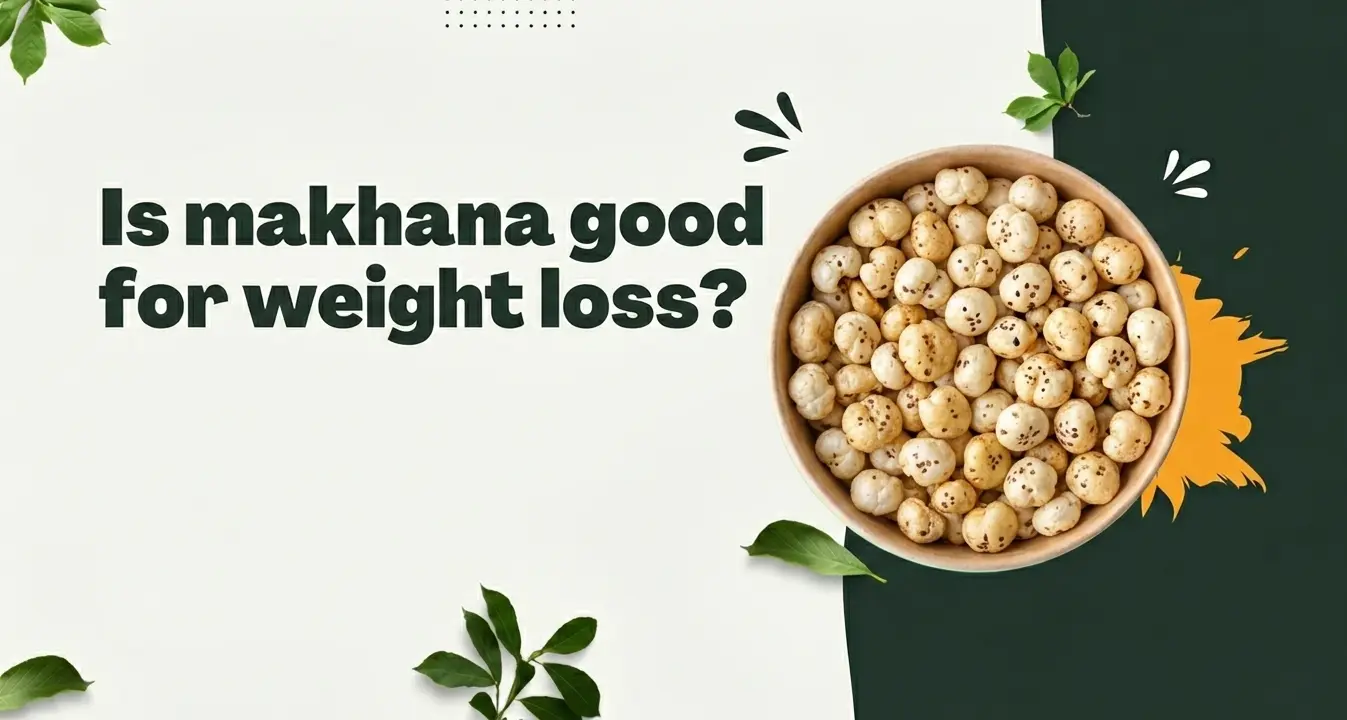
If you’re trying to lose weight but still crave something crunchy in the evening, makhana might already be on your radar. From fitness coaches to diet charts, this humble fox nut keeps showing up everywhere.
But let’s answer the real question clearly — is makhana good for weight loss, or is it just another health trend?
Let’s break it down in a simple, honest way so you know exactly how to use it — and whether it actually helps reduce belly fat, control cravings, and support fat loss..
Here’s why makhana works well in a weight loss diet:
1. Low in Calories
One cup (around 25–30 grams) of roasted makhana contains approximately 100–120 calories. That’s significantly lower than a packet of chips or fried namkeen, which can easily cross 250–300 calories in a small serving.
When you’re trying to lose weight, maintaining a calorie deficit is key. Swapping high-calorie snacks with makhana helps reduce overall calorie intake without making you feel deprived.
2. High in Fiber
Makhana contains a good amount of dietary fiber, which slows digestion and keeps you full for longer. When you stay full, you’re less likely to overeat during your next meal or reach for sugary snacks in between.
This steady feeling of satiety helps control cravings — one of the biggest challenges during weight loss.
3. Good Source of Plant Protein
Protein plays an important role in fat loss. It helps maintain lean muscle mass while your body burns fat. The more muscle you preserve, the better your metabolism functions.
While makhana isn’t a high-protein food like paneer or lentils, it still contributes plant-based protein that supports balanced nutrition.
4. Low in Unhealthy Fats
Unlike deep-fried snacks, roasted makhana contains minimal unhealthy fats. If you dry roast it or use just a few drops of ghee for flavor, it remains light and clean.
The problem starts when it’s deep-fried or coated in sugary flavors. That’s when calories increase and the weight loss benefit reduces.
How Many Makhana Should I Eat Daily for Weight Loss?
Many people ask questions like: How many makhana should I eat daily for weight loss?
The ideal quantity is:
- 25–30 grams per day
- That’s roughly 1 small bowl or one handful
- Around 30–40 pieces
Eating more won’t magically speed up fat loss. In fact, overeating healthy snacks can still increase calories.
If you’re trying to lose weight, use makhana as:
- A mid-morning snack
- An evening hunger fix
- A pre-dinner light filler
But don’t treat it like a full meal replacement.
Best Time to Eat Makhana for Weight Loss
Here are the most effective times:
1. Evening Snack (5–6 PM)
This is when cravings hit hardest. Instead of fried snacks, choose dry roasted makhana.
2. Post-Workout
Makhana with a little peanut butter or a protein source can help recovery.
3. Late Night (In Controlled Portion)
If you feel hungry at night, 1 small handful is better than processed snacks.
Makhana for Weight Loss: How to Eat It Properly
If you want makhana to actually support your weight loss goals, the way you prepare and eat it makes a big difference. Even healthy foods can lose their benefit if cooked the wrong way or eaten in excess.
Here’s how to do it right:
1. Dry Roasted Makhana
The best way to eat makhana for weight loss is dry roasting it. Heat a pan on low flame and roast the makhana for about 5–7 minutes, stirring continuously until they turn crisp. Proper roasting improves taste and digestion without adding extra calories.
2. Add Minimal Ghee
If you prefer a richer flavor, you can add a small amount of ghee — around ½ teaspoon is enough. This enhances taste without significantly increasing calories. Avoid deep frying, as that adds unnecessary fat and defeats the purpose of choosing a healthy snack.
3. Avoid Sugary or Heavy Flavors
Caramel-coated, chocolate-covered, or heavily salted versions may taste tempting, but they add sugar, sodium, and extra calories. For weight loss, stick to simple seasoning like black pepper, rock salt, turmeric, or a light sprinkle of chaat masala.
“That’s why we’ve created healthy roasted flavors just for you – try our Salt and Pepper Makhana or Chatpata Masala Makhana – light, crispy, and guilt-free!”
4. Combine with Protein
Makhana alone is light, but pairing it with protein makes it more filling. You can combine it with:
- A bowl of Greek yogurt
- A handful of boiled chana
- A protein smoothie
Adding protein helps control hunger for longer, reduces cravings, and supports muscle maintenance during fat loss.
Side Effects of Makhana
Makhana is generally safe and healthy for most people. However, like any food, overeating it can lead to minor discomfort. Even healthy snacks can cause issues when portion control is ignored.
Here are a few possible side effects of makhana:
- Bloating: Eating large quantities at once may cause gas or heaviness, especially if your digestive system is sensitive to high-fiber foods.
- Constipation: Makhana contains fiber, but if you don’t drink enough water along with it, digestion can slow down.
- Mild digestive discomfort: Some people may feel slight stomach uneasiness if they consume it in excess or eat it too quickly.
The solution is simple — stick to a small bowl per day, chew properly, and stay well hydrated. In moderation, makhana remains a safe and nutritious snack option.
Why Makhana Works Better Than Other Snacks
When you’re trying to lose weight, snacking is usually the biggest obstacle. Most common snacks — like chips, biscuits, and fried mixtures — are loaded with refined flour, unhealthy oils, excess salt, and hidden sugars. They taste good, but they offer very little nutritional value and are easy to overeat.
This is where makhana stands out.
1. Lower in Calories
A small bowl of roasted makhana contains far fewer calories than a typical packet of chips or namkeen. This makes it easier to stay within your daily calorie limit without feeling deprived. You still get that crunchy satisfaction, just without the calorie overload.
2. Higher in Fiber
Unlike many processed snacks, makhana contains dietary fiber. Fiber slows digestion and keeps you full for longer, which helps control unnecessary hunger pangs. When you feel satisfied, you’re less likely to binge on high-calorie foods later.
3. Lower in Unhealthy Fats
Most packaged snacks are deep-fried in refined oils. Makhana, when dry roasted or lightly roasted in minimal ghee, contains significantly less unhealthy fat. This makes it a cleaner option for heart health and weight management.
4. Less Processed
Chips and biscuits go through heavy processing and often contain preservatives, artificial flavors, and additives. Plain roasted makhana is simple and minimally processed, which makes it a more natural snack choice.
5. Easier to Control Portions
Because makhana is light and airy, a small bowl looks filling. This psychological advantage helps you feel satisfied with a moderate portion instead of finishing an entire packet of processed snacks.
Conclusion
Makhana can be a smart addition to your weight loss diet when eaten in the right quantity and prepared in a healthy way. It’s low in calories, light on the stomach, and helps control cravings — which makes staying in a calorie deficit easier.
While it won’t directly burn fat, replacing fried and processed snacks with roasted makhana can support steady, sustainable weight loss over time. Portion control and overall lifestyle still matter the most.
Shop Our Healthy Flavored Makhana
| Classic & Light | Spicy & Tangy | Desi Masala |
|---|---|---|
| Salt & Pepper Makhana | Peri Peri Makhana | Chatpata Masala Makhana |
| Cream and Onion Makhana | Barbeque makhana | Pudina Makhana |
| Simply Salted Makhana | Cheese Chilli Makhana | Tangy Tomato Makhana |
All flavors are dry-roasted with minimal oil – perfect for your weight loss journey!