Makhana, also known as fox nuts or lotus seeds, has become one of the most popular healthy snacks in recent years. From fitness enthusiasts to dieticians, many people recommend makhana as a light, nutritious option that fits well into a balanced diet. If you are looking to purchase this superfood in large quantities, it is important to source it from a trusted supplier. You can easily find bulk makhana options from reputable dealers who ensure quality and freshness. Similarly, if you are a business owner, partnering with a reliable Makhana manufacturer in india guarantees a consistent supply of premium-grade fox nuts for your customers.
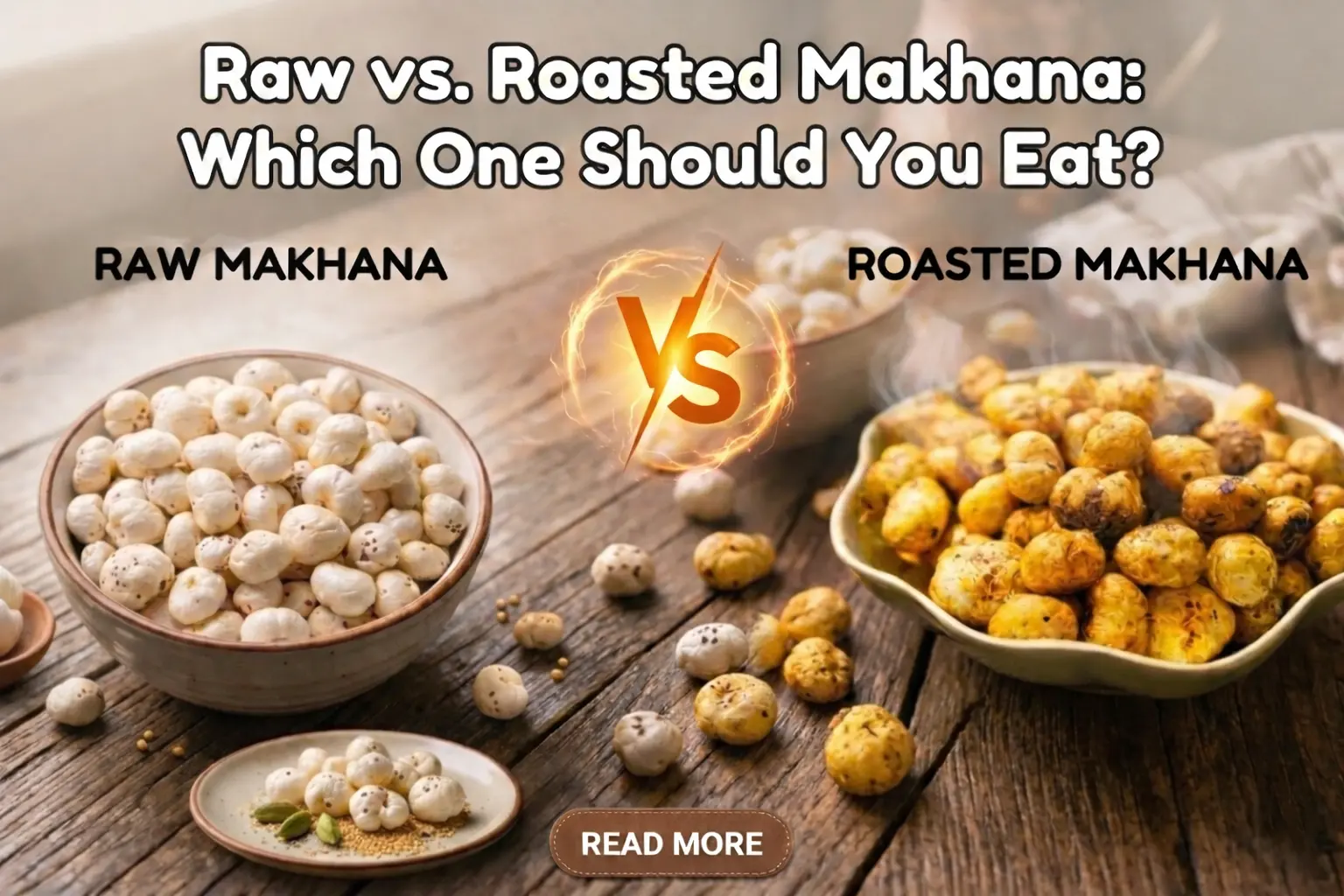
Some people prefer raw makhana because it is completely natural and unprocessed, while others enjoy roasted makhana for its crunchy texture and better taste. Both versions have their own benefits, and understanding the difference can help you make the right choice for your diet.
In this detailed guide, we’ll break down what is the difference between raw and roasted makhana, which one is healthier, and how to include them in your daily routine.
What Is Makhana?
Makhana comes from the seeds of the aquatic plant Euryale ferox. These seeds are harvested, dried, and processed to create the white puffed kernels we commonly see in stores.
For centuries, makhana has been used in traditional Indian cuisine, especially during fasting periods and religious festivals. Today, it has gained popularity as a superfood snack because it is light, nutritious, and easy to include in everyday meals.
People consume makhana in different ways — roasted as a snack, used in desserts like kheer, or simply eaten plain.
What Is the Difference Between Raw and Roasted Makhana?
One of the most common questions people search online is: What is the difference between raw and roasted makhana? While both come from the same lotus seed, the main difference lies in their texture, taste, preparation method, and digestibility.
Raw makhana is the natural, unprocessed form, while roasted makhana is the version that has been heated to improve flavor and crunch. Understanding these differences can help you choose the right type depending on how you want to eat it.
Raw Makhana
Raw makhana refers to the dried fox nut seeds that have not been roasted or seasoned. In this form, they remain slightly hard and have a very mild, almost neutral taste. Because of their firm texture, they are usually not eaten directly as a snack.
Instead, raw makhana is commonly used in cooking. When added to dishes like curries, kheer, or fasting recipes, it absorbs flavors and softens during the cooking process.
Characteristics of raw makhana:
- Hard or slightly chewy texture
- Mild and neutral flavor
- Usually requires roasting or cooking before eating
- Commonly used in recipes like curries, sweets, and fasting dishes
Roasted Makhana
Roasted makhana is made by heating raw makhana in a pan or oven for a few minutes until it becomes light, crisp, and crunchy. This simple process removes moisture and enhances the natural nutty flavor of the seeds.
Because of its crunchy texture and better taste, roasted makhana is widely enjoyed as a healthy snack. It can be eaten plain, but a light seasoning can transform it into a delicious treat. For those who enjoy classic flavors, options like Simply Salted Makhana or Salt & Pepper Makhana provide a perfect balance of taste and health. If you prefer something with a bit of a kick, Peri Peri Makhana or Cheese Chilli Makhana might be more your style.
Characteristics of roasted makhana:
- Light and crunchy texture
- More flavorful and enjoyable to eat
- Easier to chew and digest
- Ready-to-eat snack option
Overall, roasting not only improves the taste but also enhances the overall eating experience. That’s why most people prefer roasted makhana for snacking, while raw makhana is mainly used for cooking and traditional recipes.
Raw vs. Roasted Makhana: Nutritional Comparison
Feature | Raw Makhana | Roasted Makhana (Dry/Dry roasted) |
Calories | ~350 kcal per 100g | ~348 kcal per 100g |
Texture | Hard, dense, chewy | Light, crunchy, airy |
Digestibility | Lower (contains anti-nutrients) | High (heat makes it easier to digest) |
Taste | Bland, starchy | Nutty, savory (depending on seasoning) |
Best For | Grinding into flour, thickening curries | Snacking, toppings for salads/yogurt |
Should We Eat Makhana Raw?
Many people ask: Should we eat makhana raw?
Technically, raw makhana is eatable, but it is not the most enjoyable or convenient way to consume it. Raw makhana tends to be hard and slightly chewy, which makes it less appealing as a snack.
In addition, roasting improves its digestibility and brings out its natural nutty flavor. That’s why most nutrition experts suggest lightly roasting makhana before eating.
However, raw makhana is still useful in cooking. It is often added to dishes like:
- Makhana kheer
- Sabzi or gravy-based curries
- Fasting foods
In these cases, the makhana softens during cooking and becomes easy to eat.
Which Makhana Is Best: Roasted or Raw?
Now let’s address the big question: Which makhana is best, roasted or raw?
The truth is that both types have their own benefits, and the better choice depends on how you plan to use them in your diet.
Choose Raw Makhana If:
- You want a completely natural product with no added oil, salt, or seasoning.
- You plan to use it in recipes such as makhana kheer, curries, or fasting dishes.
- You prefer roasting it at home, so you can control the amount of oil, ghee, or spices used.
Raw makhana is a good choice for people who enjoy cooking and want more flexibility in how they prepare their food.
Choose Roasted Makhana If:
- You want a quick, ready-to-eat snack without any preparation.
- You enjoy a crunchy texture and nutty flavor that comes after roasting.
- You need a healthy snack option that can easily replace fried snacks like chips or namkeen.
Roasted makhana is perfect for busy lifestyles because it is convenient and satisfying while still being relatively healthy.
Nutritional Value of Makhana
Makhana is considered a healthy snack because of its balanced nutrition diet.
A small serving of makhana generally contains:
- Low calories
- Moderate plant protein
- Dietary fiber
- Magnesium
- Calcium
- Antioxidants
Because of these nutrients, makhana is often recommended for people looking for healthy snacks, weight management, and balanced diets.
Roasted Makhana Benefits
Roasted makhana has become a popular healthy snack because it is light, crunchy, and easy to include in everyday diets.
1. Easy to Digest
Roasting makhana removes extra moisture and improves its texture, making it crisp and lighter on the stomach. Compared to raw makhana, roasted makhana is generally easier to chew and digest, which is why many people prefer it as a snack.
2. Perfect Healthy Snack
Roasted makhana is often chosen as a healthier alternative to fried snacks such as chips, biscuits, or namkeen. It provides a satisfying crunch without the heavy oils and additives that are common in processed snack foods.
3. Supports Weight Management
Because roasted makhana is light and filling, it can help control hunger between meals. Eating a small bowl of roasted makhana can reduce the temptation to snack on high-calorie foods, which makes it helpful for people trying to maintain or lose weight.
4. Rich in Antioxidants
Makhana naturally contains antioxidants that help protect the body from oxidative stress. These compounds support overall health and may contribute to better metabolism and long-term wellness when included as part of a balanced diet.
Raw Makhana Benefits
Raw makhana also offers several advantages, especially for people who prefer natural foods or like using it in different recipes.
1. Completely Natural
Raw makhana is free from added salt, oil, or artificial flavors. This makes it a clean and natural food option for people who prefer minimally processed ingredients in their diet.
2. Versatile for Cooking
One of the biggest benefits of raw makhana is its versatility. It can be used in a variety of dishes such as curries, makhana kheer, roasted snacks, or fasting recipes. Its mild flavor easily absorbs spices and other ingredients.
3. Longer Shelf Life
Raw makhana generally stays fresh for a longer time compared to flavored roasted versions. Since it does not contain oil or seasoning, it can be stored safely in an airtight container for extended periods.
4. Control Over Preparation
Buying raw makhana allows you to roast and season it according to your preference. You can choose healthier cooking methods and control the amount of oil, salt, or spices used, making it a better option for customized diets.
How Much Makhana Should You Eat in a Day?
Most nutrition experts suggest 25–30 grams of makhana per day, which equals roughly one small bowl.
This amount provides nutritional benefits without adding too many calories to your daily diet.
Side Effects of Eating Too Much Makhana
Although makhana is healthy, overeating it may cause minor issues.
Possible side effects include:
- Bloating
- Digestive discomfort
- Constipation if water intake is low
The best approach is to enjoy makhana in moderate portions.
Final Thoughts
When it comes to raw vs. roasted makhana, both have their place in a healthy diet. Raw makhana works best as an ingredient in recipes, while roasted makhana is ideal for quick snacking.
If convenience and taste matter, roasted makhana is usually the better option. But if you prefer natural ingredients and cooking flexibility, raw makhana is a great choice.