
Yes, makhana (fox nuts or lotus seeds) is considered a healthy snack because it is relatively low in calories, naturally gluten-free, and contains carbohydrates, protein, fiber, and important minerals such as calcium, magnesium, and phosphorus. Its light texture and nutritional profile have made it increasingly popular among fitness enthusiasts, health-conscious consumers, and people looking for healthier alternatives to fried snacks.
If you're trying to manage your weight, improve your eating habits, or simply find a nutritious snack option, understanding makhana nutrition facts can help you make more informed choices.
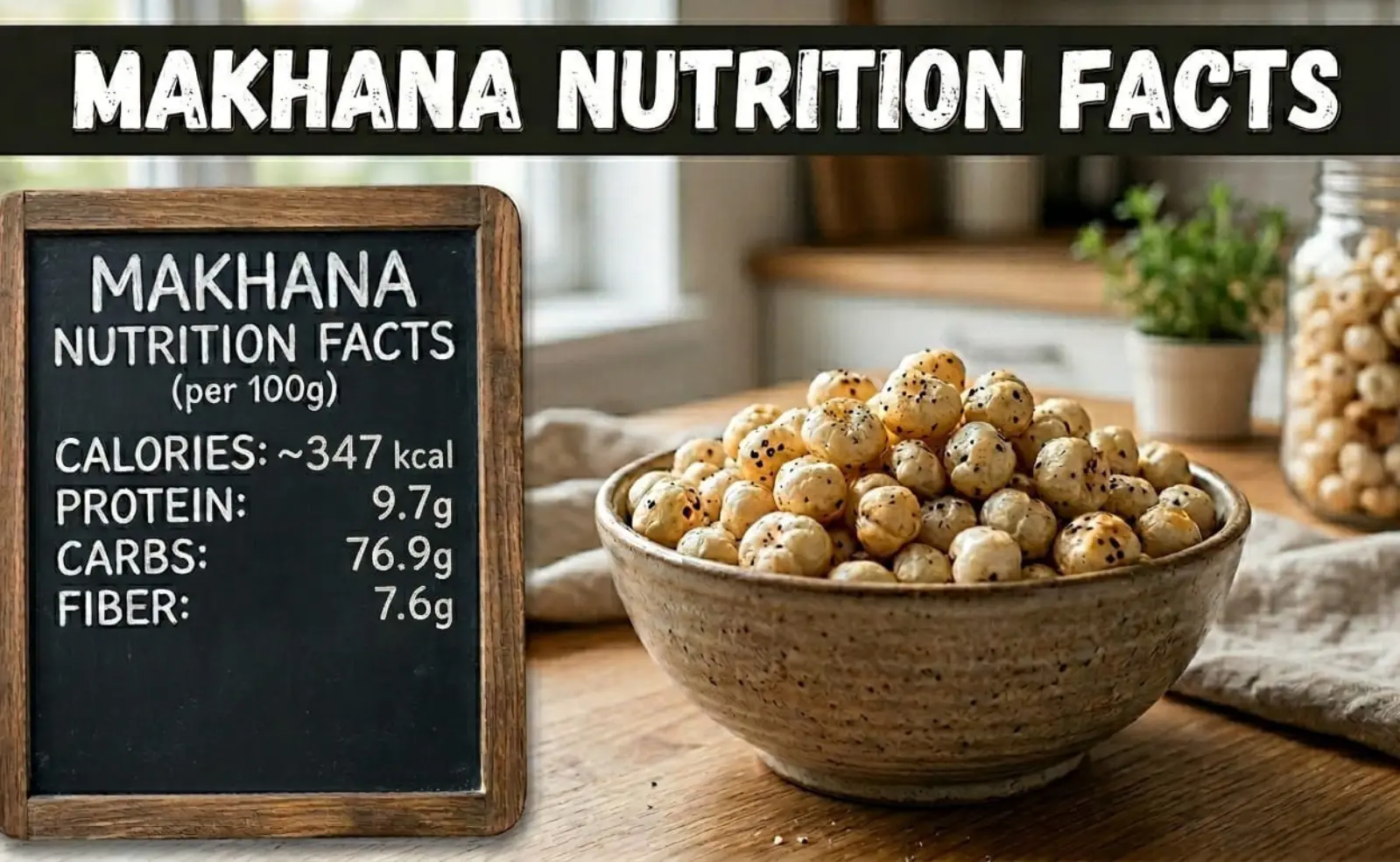
Makhana Nutrition Facts (Per 100g)
Nutrient | Approximate Value |
Calories | 347 kcal |
Protein | 9.7 g |
Carbohydrates | 76.9 g |
Dietary Fiber | 7.6 g |
Fat | 0.1–0.5 g |
Calcium | 60 mg |
Magnesium | 67 mg |
Phosphorus | 200 mg |
Potassium | 500 mg |
Key Takeaways
Makhana is naturally low in fat.
It provides a good source of carbohydrates for energy.
It contains moderate amounts of protein.
Dietary fiber supports digestion and satiety.
It is gluten-free and suitable for many dietary preferences.
It contains minerals that support overall wellness.
Why Makhana Nutrition Matters
The popularity of makhana has increased significantly because consumers are actively searching for healthy snacks that offer more than just taste. Many packaged snacks are high in unhealthy fats, excessive sodium, and artificial ingredients. Makhana stands out because it offers a simpler nutritional profile while remaining versatile and convenient.
Calories in Makhana: Is It Good for Weight Management?
One of the most common questions people ask is whether makhana is suitable for weight-conscious diets.
Makhana contains approximately 347 calories per 100 grams, but most people consume much smaller portions. A typical serving of roasted makhana is around 25–30 grams, which makes the calorie intake considerably lower.
Why many people choose makhana for healthy snacking:
Lower in fat than many fried snacks
Easy to portion control
Helps satisfy snack cravings
Can replace calorie-dense processed foods
What This Means for Consumers
A bowl of plain roasted makhana can often be a better alternative to chips, namkeen, or other heavily processed snacks when consumed as part of a balanced diet.
How Much Protein Does Makhana Contain?
Protein is one of the most searched nutritional factors today, especially among fitness-focused consumers.
Makhana contains approximately 9–10 grams of protein per 100 grams. While it is not a high-protein food compared to eggs, dairy products, or legumes, it still contributes to daily protein intake.
Benefits of Protein in Makhana
Supports muscle maintenance
Helps improve satiety
Contributes to balanced nutrition
Complements other protein-rich foods
Understanding Carbohydrates in Makhana
Carbohydrates are often misunderstood, but they remain the body's preferred energy source.
Makhana contains around 76–77 grams of carbohydrates per 100 grams, making it an energy-rich food.
Carbohydrates in makhana help:
Fuel daily activities
Support workout performance
Provide sustained energy
Reduce excessive hunger between meals
For active individuals, carbohydrates play an important role in maintaining energy levels throughout the day.
Fiber Content in Makhana and Why It Matters
Fiber is an important nutrient that many people do not consume in sufficient quantities. Makhana contains approximately 7–8 grams of dietary fiber per 100 grams.
Fiber Benefits Include:
Supports digestive health
Helps maintain regular bowel movements
Improves satiety
Supports healthier snacking habits
While makhana is not the highest-fiber food available, it contributes positively to overall fiber intake when consumed regularly.
Minerals Found in Makhana
Beyond calories and macronutrients, makhana also contains several important minerals.
Calcium
Calcium contributes to:
Bone strength
Teeth health
Muscle function
Magnesium
Magnesium supports:
Muscle function
Nerve function
Bone health
Phosphorus
Phosphorus plays a role in:
Bone maintenance
Energy production
Cellular function
These minerals make makhana nutritionally more valuable than many conventional snack foods.
Makhana vs Popular Snack Foods
Snack | Calories | Fat | Nutrition Value |
Makhana | Moderate | Low | Contains protein, fiber, and minerals |
Potato Chips | High | High | Often high in sodium and fat |
Fried Namkeen | High | High | Heavily processed |
Popcorn (buttered) | Moderate-High | Moderate | Depends on preparation |
This comparison is one reason why health-conscious consumers increasingly choose roasted makhana.
Also Read About: Makhana vs Other Indian Superfoods
Who Should Include Makhana in Their Diet?
Makhana can be a practical snack option for:
Working professionals
Fitness enthusiasts
Students
Older adults
Health-conscious families
Because it is versatile and easy to consume, it fits into many different eating patterns.
Conclusion
Makhana is a nutrient-rich snack that provides carbohydrates for energy, moderate protein, dietary fiber, and important minerals such as calcium, magnesium, and phosphorus. While it is not a miracle food, it can be a smart addition to a balanced diet, especially for people looking for healthier alternatives to heavily processed snacks.
Its combination of nutrition, convenience, and versatility explains why makhana continues to gain popularity among consumers worldwide. If you're looking for quality makhana, Hybite Foods offers a wide range of makhana products known for their quality, freshness, and great taste, making healthy snacking both convenient and enjoyable.
You Can Also Read More About: Makhana vs Popcorn: Which Is the Healthier Snack?
FAQs
1. How many calories are there in 100 grams of makhana?
Makhana contains approximately 347 calories per 100 grams. However, a typical serving size is much smaller, making it a relatively light snack when consumed in moderation.
2. Is makhana high in protein?
Makhana contains around 9.7 grams of protein per 100 grams. While it provides some protein, it should not be considered a primary protein source compared to foods like eggs, dairy, or legumes.
3. How many carbohydrates are in makhana?
Makhana contains approximately 76.9 grams of carbohydrates per 100 grams, making it a good source of energy for daily activities.
4. Is makhana good for digestion?
Makhana contains dietary fiber and is generally considered light and easy to digest when consumed in moderation as part of a balanced diet.
You Can Also Buy Our Best-Selling Makhana Flavors
| Flavored Makhana Variants |
| Peri Peri Makhana |
| Cream & Onion Makhana |
| Pudina Makhana |
| Salted Makhana |
| Cheese Makhana |
| Tangy Tomato Makhana |
| Chatpata Makhana |
| Salt & Pepper Makhana |